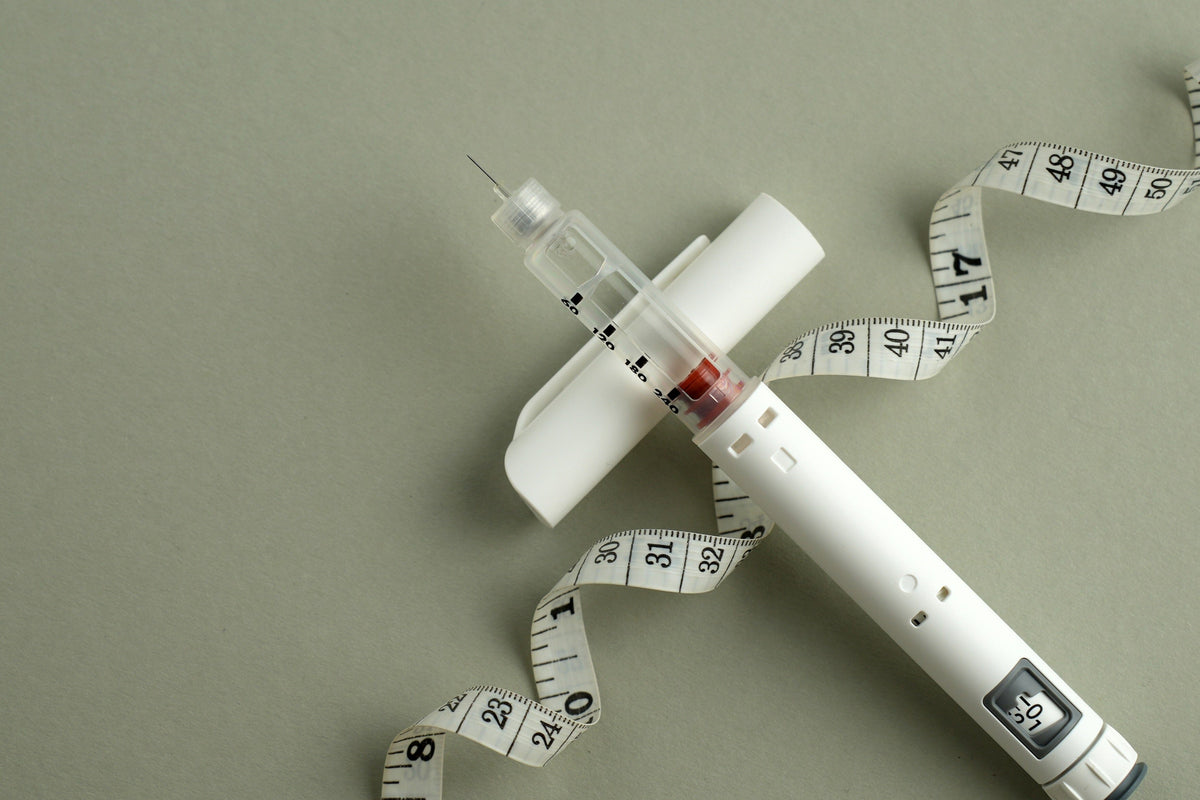

Around one in eight Americans report using a glucagon-like peptide-1 (GLP-1) agonist medication, a type of trending prescription drug that may help improve blood sugar and manage weight.1,2
Now, research is being published about GLP-1s for weight loss during perimenopause and menopause, specifically via microdosing.3,4 Bonafide Chief Medical Officer, Dr. Alyssa Dweck, explains what GLP-1 microdosing is and the pros vs. cons of using GLP-1s in perimenopause.
What Is GLP-1 Microdosing?
Research suggests that postmenopausal women have 20% higher total fat than women who are yet to enter menopause.5 So that begs the answer to the question, “is GLP-1 microdosing an option to maintain a healthy weight in perimenopause?”
While GLP-1 popularity in brands like Ozempic has surged, with benefits being tied to the FDA-recommended dosages, researchers have documented growing interest in GLP-1 microdosing—a term that may describe two distinct practices: 6
- Standard, physician-guided dose adjustments
- Off-label use of GLP-1 drugs at doses lower than those the FDA recommends
The idea, publications explain, is for individuals to reap the benefits of GLP-1s with reduced side effects, which may include:7
- Nausea
- Vomiting
- Diarrhea
- Headache
Experts believe the concept of GLP-1 microdosing may have stemmed from obesity drug shortages in 2021 and 2022.8 The Cleveland Clinic clarifies that while adjusting GLP-1 dosages is a common, safe practice for healthcare providers and patients under their strict supervision, microdosing compounded versions of GLP-1s—which are not FDA-approved—is a different practice with its own potential safety and quality risks.9
Microdosing GLP-1 Benefits
Your healthcare provider may talk you through some of the positives of microdosing GLP-1s, which could include benefits such as:10
- Decreased cost (per dose)
- Less side effects
- Longer availability
GLP-1 Microdosing Pros vs. Cons
As with any prescription medication, there are also pros and cons to consider before starting use. Microdosing GLP1-s may come with the following pros and cons: 11,12
|
GLP-1 Microdosing Benefits |
GLP-1 Microdosing Risks |
|
Reduced side effects |
Lower effectiveness |
|
Reduced costs |
Safety risks (with compounded versions) |
|
Decreased appetite |
Slower results |
Can a GLP-1 Help with Weight Loss in Perimenopause?
According to Dr. Dweck, emerging studies suggest GLP-1s can be a valuable option for weight loss in perimenopause, particularly for those taking hormone therapy13—and potentially even more effective in women than in men at any age.14,15
“A 2025 review addressing GLP-1 use for weight loss in perimenopausal, and menopausal women concluded that GLP1 drugs are a consistent and valuable pharmacologic agent for weight loss,” explains Dr. Dweck. “In addition, a 2026 systematic review found that GLP-1 medications produce greater weight loss in women than men, potentially due to the synergy between GLP-1 drugs and estrogens.”
However, Dr. Dweck emphasizes that the few studies that exist are relatively new— and there’s still a lot to learn about how GLP-1s may benefit women in midlife.
“More research is needed in the perimenopause population to further assess risks and benefits,” she says.
Who Is a Candidate for GLP-1 Microdosing in Perimenopause?
According to Dr. Dweck, many women in perimenopause who meet the standard FDA-approved indications might be ideal candidates for GLP-1 medications. Those indications include:16
- ● A body mass index (BMI) over 30
-
● A BMI over 27 with at least one weight-related comorbidity:
- Type 2 diabetes
- High blood pressure
- High cholesterol
- Obstructive sleep apnea
- Cardiovascular disease
- MASH (metabolic dysfunction-associated steatohepatitis), a type of liver inflammation
GLP-1 for Menopause Weight Gain: What Research Says About Microdosing
Dr. Dweck cautions that research on GLP-1 dosing for women in perimenopause is slim and ongoing. She also reiterates that there’s much more to learn about microdosing—especially when carried out without the guidance of a medical professional.17
“GLP-1 drugs are effective for weight management, including in perimenopausal women, based on general population data,” she explains. “But perimenopause-specific dosing, efficacy, or safety data is lacking. While ‘microdosing’ is a common, colloquially-used term, specifics on
reduced frequency and/or dosing after initial weight loss is still emerging.”
The Bottom Line on Microdosing GLP-1s
Research on GLP-1s for weight loss is, overall, promising.17 However, scientists are just beginning to dive into GLP-1 use for weight loss in perimenopause, meaning research is still in the early stages. If you’re wondering if you’re a candidate for GLP-1s, it’s best to reach out to a trusted healthcare provider, who can answer any questions you may have about suggested medications or proper dosing.
TITLE TAG: GLP-1 Microdosing for Perimenopause: Benefits & Risks | Bonafide
Resources
- https://jamanetwork.com/journals/jama/article-abstract/2819949
- https://www.yalemedicine.org/news/glp-1-medications-for-weight-loss-how-to-get-started
- https://pubmed.ncbi.nlm.nih.gov/39970049/
- https://pubmed.ncbi.nlm.nih.gov/39761057/
- https://pmc.ncbi.nlm.nih.gov/articles/PMC12842199/
- https://pmc.ncbi.nlm.nih.gov/articles/PMC12210098/
- https://www.mayoclinic.org/diseases-conditions/type-2-diabetes/expert-answers/byetta/faq-20057955
- https://health.clevelandclinic.org/microdosing-glp-1
- https://health.clevelandclinic.org/microdosing-glp-1
- https://www.tuftsmedicine.org/about-us/news/microdosing-glp-1s-your-questions-answered
- https://health.clevelandclinic.org/microdosing-glp-1
- https://health.clevelandclinic.org/how-long-does-it-take-for-glp-1s-to-suppress-appetite
- https://newsnetwork.mayoclinic.org/discussion/new-study-links-combination-of-hormone-therapy-and-tirzepatide-to-greater-weight-loss-after-menopause/
- https://jamanetwork.com/journals/jama/article-abstract/2846858
- https://pubmed.ncbi.nlm.nih.gov/39970049/
- https://www.yalemedicine.org/news/glp-1-medications-for-weight-loss-how-to-get-started
- https://health.clevelandclinic.org/microdosing-glp-1
- https://pubmed.ncbi.nlm.nih.gov/40281304/