Shifting hormones may influence menstruation, menopause symptoms, and specifically, for some women, the prevalence of migraines—an often recurring, debilitating type of headache that may interfere with your everyday quality of life.1,2,3,4
So, what exactly causes migraines in menopause and is there anything you can do about it? Here we take a look at how hormones play a role in migraine risk as you age, and what you can do to prevent or treat them, more specifically, during the menopause transition.
Why Perimenopause Migraines Happen
There are several things that can influence the onset of migraines during the menopausal transition. Specifically, hormonal migraines have been known to have both biological and lifestyle triggers, which can include: 5,6
- Drops in estrogen
- Stress
- Poor sleep
- An overload of sensory stimuli (lights, sounds, odors)
- Suboptimal dietary choices (too much alcohol or caffeine, skipping meals)
Why Migraines May Worsen with Age for Women
Data show that migraine headaches can present in women three times more often than in men.7
The 60% of women who experience migraines during their periods often note that they feel there is a hormonal component to their migraine attacks.8 And, unfortunately for women in perimenopause, this phenomenon may peak during your 30s and 40s, as hormones become more volatile before dropping significantly.9,10
Experts believe that it’s possible for decreases in estrogen during menopause to contribute to migraines.11,12 This may explain why women who are prone to experiencing migraines just before their periods, when estrogen dips, tend to find relief in late stages of pregnancy, when estrogen levels are at their highest.13,14
The result of this estrogen–migraine connection means that 30% of women may experience a peak in migraines during perimenopause.15 Characterized by a painful, long-lasting headache (between four and 72 hours) and varying symptoms, migraines may disrupt daily life and responsibilities.16
Migraine Symptoms in Perimenopause
If you’re in perimenopause, you may be experiencing a migraine if you have the following symptoms: 17, 18
- Aura. This refers to sensory changes that may occur just before or during a migraine attack. A migraine aura may include visual changes, seeing lights or lines, or tingling sensations felt in the hands or face.
- Localized pain. Pain from migraines often occur on one side of the head, although it may occur on both.
- Throbbing sensation. Those who experience frequent migraines often describe it as having a “throbbing” or “pulsing” sensation.
- Sensory sensitivity. Migraines may cause sensitivity to light, sound, and smell.
- Nausea. It’s common to feel nauseated and/or vomit during a migraine attack.
Medical Note: Some of the above symptoms overlap with other, more serious medical conditions requiring emergency care. If you’ve noted that your symptoms are sudden, severe, and unusual for you, seek immediate medical attention.
Menopause Headache Causes
While there’s no foolproof method of preventing migraines, knowing—and doing your best to avoid— common migraine triggers in perimenopause may help to lower your chance of experiencing them.
Common migraine triggers in perimenopause may include:19,20
- Alcohol
- Caffeine (or caffeine withdrawal)
- Chemicals (scented items or strong-smelling paint, cleaning products, etc.)
- Stress
- Bright, flashing lights
- Lack of sleep (common in perimenopause)
- Intense physical activity
- Sudden changes in weather
- Certain medications (i.e. oral contraceptives or vasodilators)
- Skipping meals
- Certain foods and additives (processed foods, artificial sweeteners, and preservatives)
Migraine Treatment in Perimenopause
Fortunately, there are ways to manage migraines during perimenopause. In addition to avoiding common migraine triggers, women may find migraine relief through exploring the following treatment methods: 21, 22, 23, 24, 25
- Medication. Common prescription and non-prescription medications for migraines include non-steroidal, anti-inflammatory drugs, or triptans/gepants (types of medicines designed for migraine prevention and treatment).
- Consistent sleep. A consistent sleep schedule may help reduce the likelihood of a migraine attack.
- Hydration. Lack of hydration may contribute to migraine risk. Aim for adequate hydration every day based on activity levels and personal needs.
- Stress management. Learning to relax, making time for hobbies and relationships, and seeking talk therapy, if necessary, may lower stress, a common migraine trigger.
If migraines are impacting your daily life, seeking guidance from a healthcare provider is often the first step for identifying triggers and finding relief.
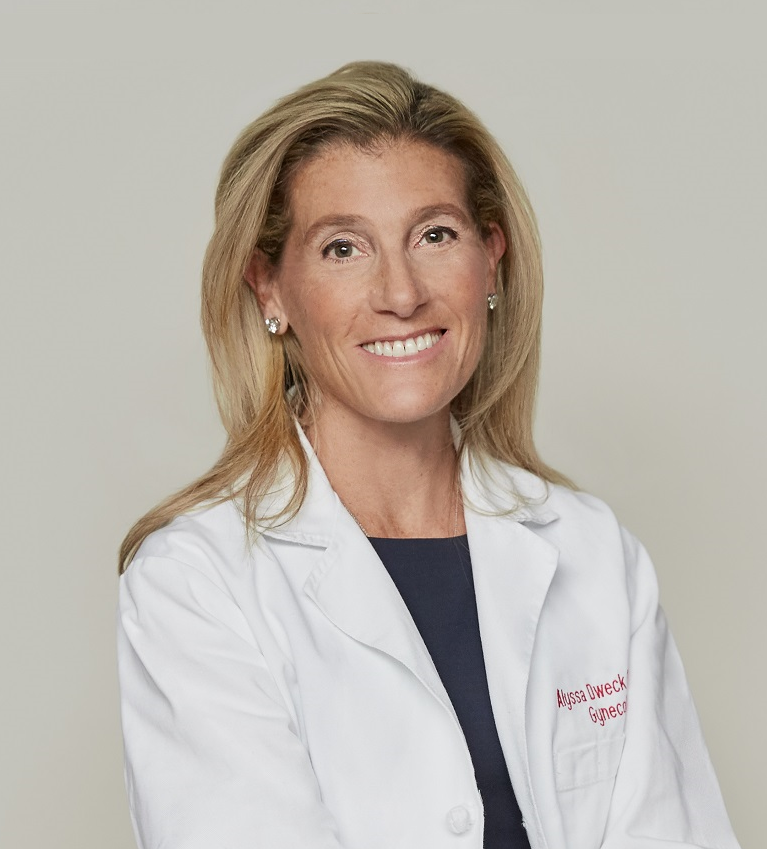
For a quick video from Bonafide Chief Medical Officer, Dr. Alyssa Dweck, on how to deal with headaches in menopause, check out the below clip:
Resources
- https://pmc.ncbi.nlm.nih.gov/articles/PMC12089631/#CR25
- https://pubmed.ncbi.nlm.nih.gov/22759408/
- https://pubmed.ncbi.nlm.nih.gov/12752752/
- https://medlineplus.gov/migraine.html
- https://www.mayoclinic.org/diseases-conditions/migraine-headache/symptoms-causes/syc-20360201
- https://my.clevelandclinic.org/health/diseases/5005-migraine-headaches
- https://pmc.ncbi.nlm.nih.gov/articles/PMC12089631/#CR25
- https://my.clevelandclinic.org/health/diseases/8260-menstrual-migraines-hormone-headaches
- https://www.mayoclinic.org/diseases-conditions/migraine-headache/symptoms-causes/syc-20360201
- https://pmc.ncbi.nlm.nih.gov/articles/PMC10676778/
- https://pmc.ncbi.nlm.nih.gov/articles/PMC9288423/
- https://pubmed.ncbi.nlm.nih.gov/34545218/
- https://headaches.org/resources/menstrual-migraine/
- https://pmc.ncbi.nlm.nih.gov/articles/PMC12089631/
- https://pmc.ncbi.nlm.nih.gov/articles/PMC12089631/
- https://www.uwmedicine.org/conditions-symptoms/brain-nervous-system/migraine
- https://www.mayoclinic.org/diseases-conditions/migraine-headache/symptoms-causes/syc-20360201
- https://www.mayoclinic.org/diseases-conditions/migraine-with-aura/symptoms-causes/syc-20352072
- https://www.mayoclinic.org/diseases-conditions/migraine-headache/symptoms-causes/syc-20360201
- https://www.ummhealth.org/health-library/preventing-migraine-headaches-triggers
- https://swhr.org/menopause-perimenopause-and-migraine/
- https://migrainetrust.org/live-with-migraine/healthcare/treatments/gepants/
- https://my.clevelandclinic.org/health/treatments/24998-triptans
- https://www.betterhealth.vic.gov.au/health/healthyliving/water-a-vital-nutrient
- https://www.webmd.com/migraines-headaches/migraines-headaches-managing-stress