

For many women, perimenopause can feel like a time of great uncertainty. The body you once knew—the one you’ve recognized and moved through life with—may begin to change in ways that leave you feeling less familiar with it.
Here, Bonafide Chief Medical Officer, Dr. Alyssa Dweck, reassures women that while these changes are not uncommon, it doesn’t mean you have to accept a fading relationship with your body. In this article, Dr. Dweck talks through some ways to rebuild that connection through self-exploration and self-pleasure.
The Science Behind Masturbation During Perimenopause
When it comes to self-exploration, research shows masturbation is about more than pleasure alone. Emerging science suggests masturbation may help to manage some menopause symptoms, specifically mood changes and sleep disturbances.1
Masturbation for Better Sleep and Mood
Dr. Dweck echoes this research, explaining that orgasms—both self- and partner-initiated—work to release hormones that can help calm the nervous system and set the body up for a good night’s rest.2
“Orgasm increases mood through the release of oxytocin, dopamine, and natural endorphins,” Dr. Dweck explains. “Orgasm, through partnered or solo sexual activity, leads to tension release and stress reduction, as well as improvement in sleep.”
Masturbation for Vaginal Dryness and Supporting Pelvic Floor Health
Because of declining estrogen levels experienced during the menopause transition, more than half of all women have reported the symptom of vaginal dryness during this time.3 Often, vaginal dryness—also known as vaginal atrophy or a symptom of Genitourinary Syndrome of Menopause (GSM)—can cause pain and discomfort during sex.
According to Dr. Dweck, self-pleasure may also support blood flow and arousal-related lubrication during midlife.
“Lower estrogen levels during menopause reduce vaginal blood flow,” says Dr. Dweck. “Sexual activity, including masturbation, increases blood flow to the vulva and vagina, leading to increased natural lubrication.”
Dr. Dweck additionally points to research on masturbation for pelvic floor health. A 2025 study of women with pelvic floor dysfunction found that those who were sexually active were five times more likely to demonstrate better pelvic floor function than sexually inactive women.4 According to research, a healthy, functioning pelvic floor is associated with improved bladder control, core stability, and reduced lower back pain.5,6
“Sex increases pelvic and vaginal blood flow, and repeated stimulation may help maintain vascular responsiveness in the vaginal wall,” Dr. Dweck adds.
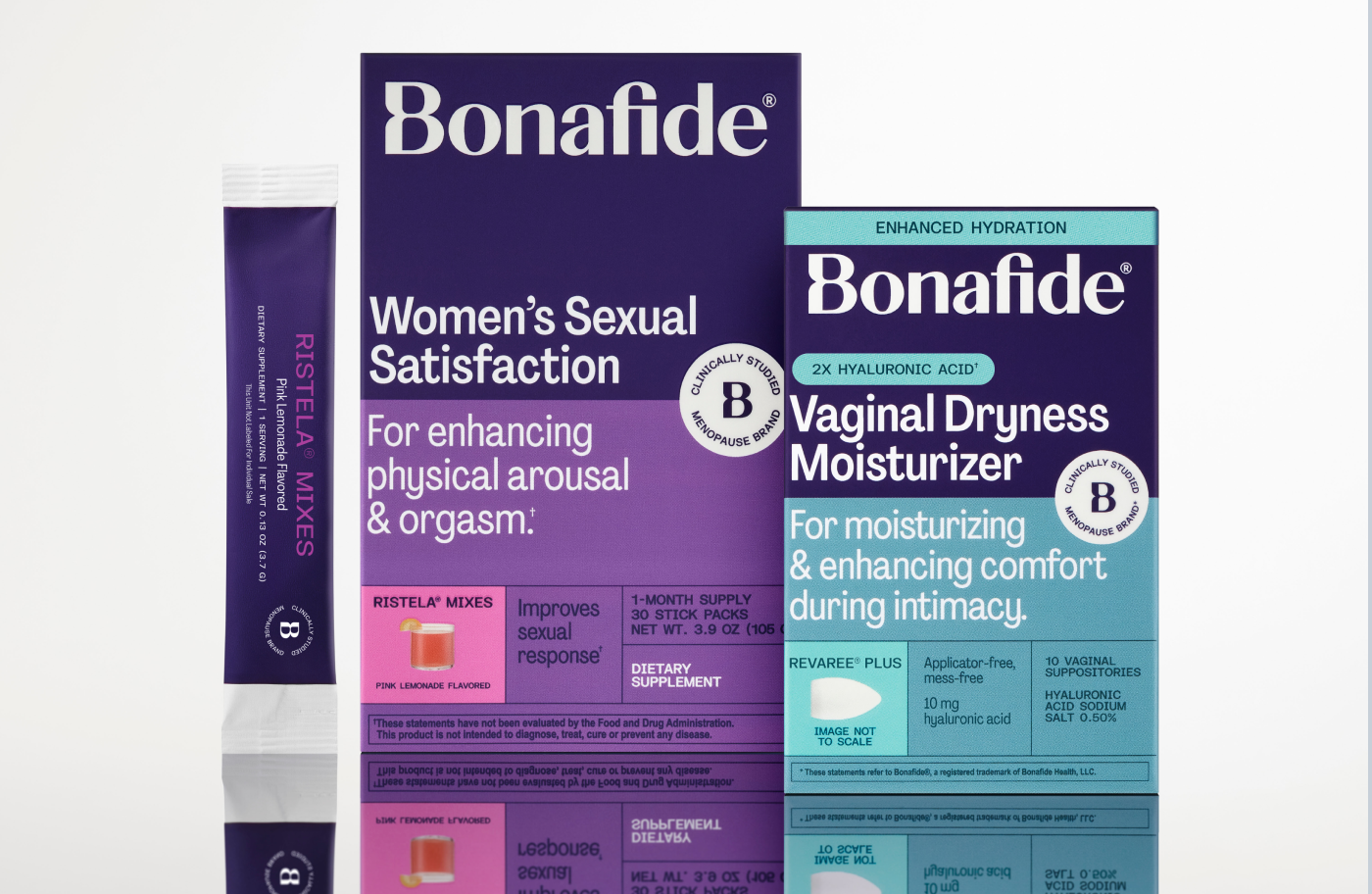
Frequently Asked Questions about Masturbation During Perimenopause
Curious to learn more? A few common FAQs about masturbation during perimenopause may include:
Is it normal to lose sexual desire during perimenopause?
Some research suggests up to 75% of women experience changes in sexual function during perimenopause—including a drop in libido—due to fluctuating hormone levels, sleep issues, and other menopause symptoms.7
Is masturbation healthy during perimenopause?
Studies suggest masturbation during perimenopause may have health benefits, including improvements in mood, sleep, and libido.8,9
Can masturbation help with vaginal dryness?
Masturbation and orgasm can increase blood flow to vaginal tissue, which may increase amounts of natural lubrication.10
Can self-pleasure improve my libido during perimenopause?
Possibly. Some experts believe masturbation can improve sexual function, including feelings of desire, during perimenopause.11
Reconnecting with Your Body During Perimenopause Is Possible
Your body may change during perimenopause, but your relationship to it doesn’t have to. If you’re experiencing changes in intimacy, comfort, or desire, reach out to a healthcare provider for advice. Whether it’s through self-pleasure, social support, or guidance from your healthcare provider, there are ways to support sexual wellness and confidence through every stage of life.
Resources
- https://pubmed.ncbi.nlm.nih.gov/41217890/
- https://academic.oup.com/jsm/article/21/Supplement_1/qdae001.099/7600969
- https://my.clevelandclinic.org/health/symptoms/21027-vaginal-dryness
- https://pubmed.ncbi.nlm.nih.gov/41317300/
- https://www.uclahealth.org/news/article/why-pelvic-health-important
- https://www.hopkinsmedicine.org/health/expert-qa/back-pain-in-women-causes-and-prevention
- https://health.osu.edu/health/womens-health/menopause-impacts-sex-drive
- https://www.breastcancer.org/news/masturbating-relieves-menopause-symptoms
- https://pubmed.ncbi.nlm.nih.gov/41217890/
- https://www.medicalnewstoday.com/articles/326450
- https://www.medicalnewstoday.com/articles/masturbation-effects-on-brain






Comments
Post commentgood suggestions