

It seems like everyone is talking about menopause vaginal dryness and honestly, it’s about time. The symptoms associated with vaginal dryness often take women by surprise during the menopausal transition, and unlike hot flashes, which will eventually subside, vaginal dryness and the vulvovaginal changes associated with it, can be more chronic and progressive if not treated. Vaginal and vulvar burning, itching, irritation, dryness and pain during sex are all common symptoms that may be experienced in women with vaginal dryness.
The good news? There are plenty of vaginal dryness solutions available that can help alleviate these symptoms of low estrogen and, in turn, help ease certain menopause intimacy issues.
So, what causes vaginal dryness in menopause and what can help manage this symptom?
For a quick video on this topic from Chief Medical Officer, Dr. Alyssa Dweck, check out the below clip:
What Causes Vaginal Dryness in Menopause?
Lower estrogen levels that occur during menopause can change the vagina on a cellular level. Less estrogen means less blood flow, which can transform the typical lush, elastic vaginal tissues into something thinner, more delicate and less lubricated. In fact, this type of change occurs to some degree in other stages of life too; during lactation, while taking birth control pills and other medications, such as those used in breast cancer treatment and prevention, as well as in smokers, and in those who have had their ovaries removed.
Vaginal dryness can also predispose women to vaginal infection and subsequent odor. In some cases, women with vaginal dryness and itching describe intercourse as feeling like “sandpaper” or “razor blades”, leading to menopause intimacy issues.
Vaginal Dryness Solutions
If you’re wondering how to help vaginal dryness, there are many management options that address both irritating dryness and its associated symptoms. Some of these could be considered to be more “natural” remedies for menopause vaginal dryness, while others require a prescription from your healthcare provider.
Let’s talk about some of your vaginal dryness symptom management options.
First, consider investing in a fabulous vaginal moisturizer. Commit to using it regularly and indefinitely. After all, would you skip a day of your daily facial care regimen? I recommend a hyaluronic acid-based product. Hyaluronic acid is already widely used in the dermatology and cosmetic worlds. It’s found naturally in the body and is able to retain 1000 times its weight in moisture.
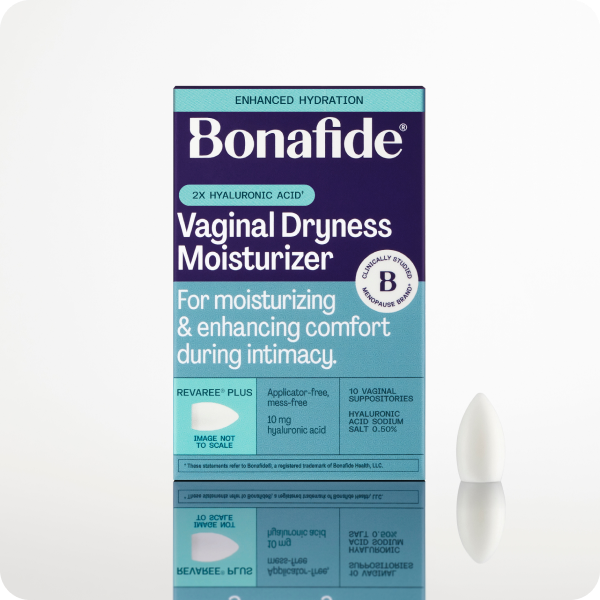
Second, if you’re curious about what helps with vaginal dryness and itching or burning, especially if you’re experiencing discomfort during sex, you may want to consider using a lubricant. You may be wondering what’s the best lubricant for vaginal dryness to help address menopause intimacy issues. Water, silicone, and oil-based products are abundant and can temporarily help with menopause vaginal dryness symptoms but are most-often used in the moment. Some lubricants are hypoallergenic or organic for those who are super sensitive. Remember, less is more when considering ingredients since many menopausal women become irritated from added chemicals.
Third, be mindful of feminine hygiene and bath products. Harsh fragrances might prompt irritation in the delicate vaginal and intimate skin and may aggravate menopause vaginal dryness. Douches are generally frowned upon since they can disrupt vaginal pH. It’s important to keep in mind that the vagina has natural mechanisms to keep itself clean and pH balanced. Using gentle, fragrance-free, and dye-free products, as well as not over cleansing, can help with easing these symptoms and help support vaginal health in menopause.
Hormone replacement therapy is another option that can help with vaginal dryness. However, this type of treatment is not without potential risks, and you should speak with your gynecologist or healthcare provider to see if this or other prescription options might be appropriate for you.†
Finally, whether partnered or solo, regular vaginal stimulation enhances blood flow and maintains a healthy vagina.
†Always check in with your health care provider to optimize health and manage medications.








Comments
Post commentI am pleased with your product for vagina dryness. I am post menopausal however I was diagnosed with breast cancer and am currently on an anti-hormone medication. I am not alone. I would appreciate it is you would address the issues we face. Thank you.
Even though I just started to use this products I can feel the difference.
Thank you.