
Over the years, hot flashes have become almost synonymous with menopause—and for good reason. Fluctuations and then significant declines in estrogen and progesterone during this time may cause the sudden onset of sweating, a racing heartbeat, and an uncomfortable flushing feeling that many women know too well.1 But perimenopause symptoms are as unique as the women experiencing them, and can range from just hot flashes to brain fog and weight gain all the way to sleepless nights and mood swings.
When Does Perimenopause Begin?
Fertility often begins to decline around the age of 35, but that decline precedes menopause, which is defined as 12 straight months without a period and signaling the end of a woman’s reproductive years.2 Menopause typically occurs between the ages 45 and 55, although some women may enter menopause earlier or later.3 During this time, estrogen production becomes volatile and then declines leading up to menopause, during a transitional period known as perimenopause, which can last up to 10 years.4
Early signs of perimenopause can include more significant shifts in mood and irregular periods, which may become lighter, shorter, or less frequent.5 It’s also important to note that you can still become pregnant during this time even if your period is inconsistent; meaning if you are using contraception, you should continue to do so consistently until you’ve gone a full year without a period.6
What to Expect During Perimenopause
During perimenopause, the body starts to react to shifting hormone levels. Symptoms may appear intermittently or appear over time – you may even attribute some effects of perimenopause to general aging, regular PMS or the stresses of daily life. While it’s helpful to recognize the physical and emotional changes that occur during perimenopause, remember this transition is unique, and you’ll likely experience your own combination of these symptoms.7,8,9
Common Symptoms of Perimenopause
You may have heard there are “34 recognized symptoms” of menopause10 – but the list is growing – and several of these may be present during perimenopause. Some of the more commonly experienced symptoms of perimenopause can include:
- Irregular periods are likely to occur as your ovaries start producing less estrogen and your progesterone levels drop. However, since changes in menstruation may occur for a range of other reasons, including pregnancy or other health conditions, it’s important to talk to your healthcare provider if you have questions or are concerned about changes in your cycle.11
- Sleep issues may take the form of trouble falling asleep or staying asleep and may contribute to a general sense of fatigue. Sleep disturbances are often compounded by night sweats, a common symptom experienced during perimenopause.12
- Mood swings, anxiety, and depression can affect many women more significantly during perimenopause, in part because lower levels of estrogen and progesterone may lead to decreases in serotonin, a brain chemical associated with happiness.13 Mood changes in perimenopause are not uncommon—and you may find yourself feeling unusually sensitive, irritable, or anxious. Some women may even experience more intense mood swings, sadness, or depression, especially those who have been previously diagnosed, as their bodies adjust to hormonal shifts.14
- Vaginal dryness or atrophy may cause vaginal discomfort, burning, or pain during sex and is often the result of declining estrogen levels during perimenopause and menopause.15 Vaginal tissues can become dry or lose elasticity as estrogen levels decline, which contribute to a collection of symptoms, known in the medical community as genitourinary syndrome of menopause (GSM), although menopause is not the only cause of these symptoms.16
- Low libido or changes in sexual desire may be a direct result of shifting sex hormones during perimenopause. Decreased physical arousal or sexual interest may be exacerbated by pain during intercourse or shifts in mood.17
- Bladder issues may become more frequent during perimenopause and may include urinary tract infections (UTIs) or even difficulties with urinary incontinence (loss of bladder control). Changing hormonal levels during perimenopause may weaken structures around the pelvis and contribute to frequent urges to urinate – this may be exacerbated in women who have undergone childbirth or surgery.18
- Bone density may decrease as estrogen drops during the menopause transition, putting you at risk of osteopenia (early-stage density loss) or osteoporosis (loss of bone density and a greater risk of fractures)—DXA bone density screenings can help you assess your risk and take steps to preserve or even rebuild bone density.19
- Higher cholesterol levels (specifically LDL) and increased risk of heart disease and stroke may accompany menopause due to the loss of cardioprotective estrogen during this time.20
- Weight gain is not uncommon during perimenopause, along with changes in body composition. These may include fat storage around the midsection, sometimes referred to as “meno belly,” which may increase risk factors for diabetes, cardiovascular disease, and hypertension. These shifts may occur even if you’re eating and exercising normally and may signal a slowing metabolism.21
- Brain fog can take the form of fuzzy thinking and forgetfulness, leading to productivity challenges.22 Migraines may also occur more frequently with perimenopause and may be linked to hormonal changes in some women.23
While experiencing some physical and emotional changes are not uncommon as your body adjusts to shifting hormones during perimenopause, it’s important to communicate with your healthcare provider if you notice anything unusual or have particular questions or concerns.24 Your healthcare provider will be able to run tests to rule out other conditions and offer a range of symptom management options.
It may also be helpful to track your symptom frequency and severity during this time, as well as your response to symptom management options or lifestyle modifications to better understand what’s working for you.25
How to Relieve Your Perimenopause Symptoms
There are plenty of things you can do to feel more like yourself during perimenopause. While you may not be able to eradicate every symptom you’re experiencing, prescription or over-the-counter (OTC) solutions, along with lifestyle changes, may help to address specific symptoms and better support your overall health and well-being during this transitional time.26
Lifestyle Changes May Make a Big Difference
- Consider incorporating a balanced and nutritious diet, such as a Mediterranean style diet, into your daily routine that includes fruits and vegetables, whole grains, lean protein, and healthy fats. Foods rich in calcium and vitamin D help protect your bone health during perimenopause. Additionally, being thoughtful about the consumption of excess sugar, highly processed foods, and caffeine may help to support a healthy weight, minimize hot flashes, boost energy levels, and manage cholesterol.27
- Do your best to prioritize restful sleep by sticking to a regular schedule and finding ways to wind down before bed.28 If you wake often with night sweats or a need to urinate, consider talking with your healthcare provider about options to help you get a better night’s rest.
- Regular exercise is one of the best things you can do to boost energy levels, support your cardiovascular health, and improve mood and sleep quality.29 Include cardiovascular exercises like walking or hiking and consider adding weight training to maintain bone density.30
- Try to reduce stress by practicing meditation, journaling, or yoga to calm your nervous system. Declining estrogen may lead to a rise in cortisol, which is the body’s stress hormone and may contribute to perimenopause fatigue, anxiety, weight gain, and other symptoms.31
- Explore sexual activity with a supportive partner or through masturbation, consider personal massagers designed to reduce vaginal dryness and promote vaginal health.32
- Do your best to avoid smoking, which has been linked to bone density loss33 and heart disease.34
Lifestyle changes are a great first step, but prescription or OTC options may offer relief for more persistent or disruptive symptoms. Be sure to consult a healthcare professional to determine which options may be the safest and most effective for you.35,36
Managing Perimenopause Symptoms with Prescriptions or OTC Options
While lifestyle changes may be an effective solution for some women traversing perimenopause, more severe or persistent symptoms may require medical intervention or the use of specific products to help with reducing symptom severity.
Some options can include:37,38,39,40,41
- Hormone replacement therapy (HRT), hormone therapy (HT), or menopausal hormone therapy (MHT): these prescription options use estrogen or estrogen and progesterone to increase your hormone levels and ease symptoms. Birth control pills may stabilize your hormone levels and regulate bleeding as you enter perimenopause – in addition to providing contraception.
- Antidepressants: these are prescription medications that may help with the management of mood swings, anxiety, or depression, whether caused by hormonal changes or other factors. Cognitive behavior therapy (CBT) may also help you manage moods and improve sleep quality and is evidence based.
- Gabapentin: primarily a prescription seizure and nerve pain medication, but it has been shown to also help relieve hot flashes when used off label.
- Vaginal estrogen creams and suppositories (or hormone-free): these are available by prescription (often including hormones or steroids) and OTC. These products are designed to relieve vaginal dryness or irritation and decrease pain during sex. Hormone-free lubricants may also help make sex more enjoyable during perimenopause.
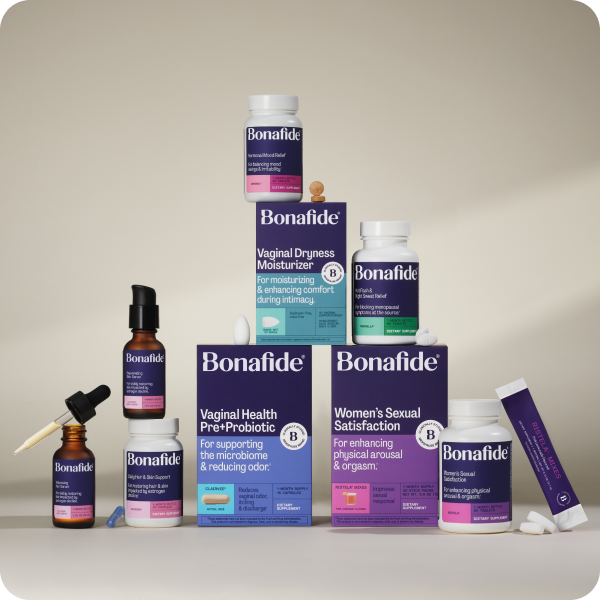
Dealing with Perimenopause Symptoms
Change may be unsettling, and the hormone fluctuations of perimenopause are almost guaranteed to introduce a little uncertainty into your life. A proactive approach to managing your symptoms can help you feel more prepared for the future. Now is a great time to take a second look at your diet and exercise routine, nurture your relationships, and explore new creative outlets.
Remember that your perimenopause symptoms may shift or resolve entirely as you transition through menopause into postmenopause, and your hormones reach a new equilibrium.42,43
Resources
- https://www.mayoclinic.org/diseases-conditions/hot-flashes/symptoms-causes/syc-20352790
- https://my.clevelandclinic.org/health/diseases/21138-premature-and-early-menopause
- https://medlineplus.gov/menopause.html
- https://health.ucdavis.edu/blog/cultivating-health/perimenopause-menopause-and-postmenopause-what-to-know-and-how-to-treat-the-symptoms-/2025/12
- https://medlineplus.gov/menopause.html
- https://health.mit.edu/faqs/faq-peri-menopause
- https://my.clevelandclinic.org/health/diseases/21608-perimenopause
- https://healthcare.utah.edu/womens-health/gynecology/menopause/perimenopause
- https://www.mayoclinic.org/diseases-conditions/hot-flashes/symptoms-causes/syc-20352790
- https://www.medicalnewstoday.com/articles/what-are-the-34-symptoms-of-menopause
- https://www.mayoclinic.org/diseases-conditions/perimenopause/symptoms-causes/syc-20354666
- https://www.nia.nih.gov/health/menopause/sleep-problems-and-menopause-what-can-i-do
- https://www.hopkinsmedicine.org/health/wellness-and-prevention/can-menopause-cause-depression
- https://www.webmd.com/menopause/emotional-roller-coaster
- https://www.mayoclinic.org/diseases-conditions/menopause/expert-answers/vaginal-dryness/faq-20115086
- https://www.hopkinsmedicine.org/health/expert-qa/genitourinary-syndrome-of-menopause
- https://www.hopkinsmedicine.org/health/expert-qa/how-sex-changes-after-menopause
- https://pmc.ncbi.nlm.nih.gov/articles/PMC4876519/
- https://www.mayoclinic.org/tests-procedures/bone-density-test/about/pac-20385273
- https://pmc.ncbi.nlm.nih.gov/articles/PMC10074318/
- https://www.mayoclinic.org/healthy-lifestyle/womens-health/in-depth/menopause-weight-gain/art-20046058
- https://www.health.harvard.edu/womens-health/menopause-and-brain-fog-whats-the-link
- https://www.nationalmigrainecentre.org.uk/understanding-migraine/factsheets-and-resources/migraine-menopause-and-hrt/
- https://my.clevelandclinic.org/health/diseases/21608-perimenopause
- https://healthcare.utah.edu/womens-health/gynecology/menopause/perimenopause
- https://health.osu.edu/health/womens-health/why-perimenopause-affects-your-mood
- https://www.healthline.com/nutrition/menopause-diet
- https://www.nia.nih.gov/health/menopause/sleep-problems-and-menopause-what-can-i-do
- https://www.urmc.rochester.edu/news/publications/health-matters/why-exercise-is-essential-during-menopause
- https://pmc.ncbi.nlm.nih.gov/articles/PMC3296386/
- https://www.hopkinsmedicine.org/health/wellness-and-prevention/navigating-perimenopause-5-tips-from-a-womens-health-provider
- https://pmc.ncbi.nlm.nih.gov/articles/PMC11150285/
- https://pmc.ncbi.nlm.nih.gov/articles/PMC6304634/
- https://www.cdc.gov/tobacco/about/cigarettes-and-cardiovascular-disease.html
- https://my.clevelandclinic.org/health/diseases/21608-perimenopause
- https://medlineplus.gov/menopause.html
- https://www.mayoclinic.org/diseases-conditions/menopause/in-depth/hormone-therapy/art-20046372
- https://pmc.ncbi.nlm.nih.gov/articles/PMC6165915/
- https://pmc.ncbi.nlm.nih.gov/articles/PMC2971729/
- https://pmc.ncbi.nlm.nih.gov/articles/PMC4076904/
- https://my.clevelandclinic.org/health/symptoms/21027-vaginal-dryness
- https://www.npr.org/2025/05/15/nx-s1-5398547/perimenopause-menopause-symptoms-hrt-hormone-therapy
- https://www.webmd.com/menopause/emotional-roller-coaster