-v1769028590156.png?750x1072)
We all feel a little bit better after a good night's sleep, but as we approach perimenopause and menopause, finding that solid night’s sleep may often feel more elusive. Hormonal shifts and the symptoms they can cause during the menopause transition may make it difficult to fall and stay asleep. It’s important to understand that rest shouldn’t just be a luxury that makes us feel good— prioritizing your menopause sleep and wellness are critical to long-term physical and mental health.
Understanding why rest matters and following a few practical menopause sleep tips may be just what you need to achieve the rest your body needs during menopause and beyond.
Let’s dive in.
Sleep Disturbances Are a Hallmark of Menopause
If you feel like you are pulling unwanted all-nighters during menopause, you’re not alone. A 2024 study of nearly 30,000 women found that over half of menopausal women experience poor sleep quality, which can include fragmented sleep and trouble staying asleep, during this transitional time.1
Physiological changes during menopause, including fluctuations in estrogen and progesterone and changes in your typical sleep/wake cycles, may contribute to awakenings, lighter sleep, and difficulty transitioning between sleep stages. In other words, it’s very likely not you; it’s probably your hormones.2 Even if you aren’t experiencing classic night sweats or hot flashes, you may still find that you’re struggling with poor sleep.
Poor Sleep Goes Beyond Feeling Tired
Of course, you feel tired when you don’t sleep well—but the impacts can certainly go far beyond that. Sleep is a biological necessity that supports immune function, cognitive processing, mood balance, and even cardiovascular health. When you miss out on deep, restorative sleep, your body’s capacity for hormone regulation, energy metabolism, and emotional resilience, diminishes.3
We’ve all felt fatigue, but brain fog and difficulty concentrating are symptoms that go beyond “feeling sleepy.” When your body doesn’t achieve the sleep it needs to support brain health, your mental and physical performance may suffer.4
As mentioned earlier, sleep impacts many daily functions. Poor sleep quality in menopausal women can potentially be associated with higher rates of mood disorders, and sleep apnea.5 The American Heart Association has also linked experiencing poor sleep during menopause with overall increased heart health risks.6 This is a major reason why women should think more seriously about prioritizing sleep during this time.
Menopause Sleep Tips
The following tips may help to provide a few practical strategies you can try that are backed by research and designed to support better sleep during menopause and beyond.
Sleep Hygiene Matters
Small adjustments, like a consistent sleep schedule, keeping your bedroom cool, quiet, and dark, and reducing screen time before bedtime may help to reduce awakenings and support deeper sleep cycles.7
Be Mindful of What You Eat and Drink at Night
Things like caffeine, alcohol, spicy meals, and highly-processed snacks may all make it harder to fall asleep or stay asleep, especially if you consume them too close to bedtime. Try to enjoy these earlier in the day, keep them light in the evening or find alternatives to give your body a better chance of settling into rest.8
Exercise Earlier in the Day
Regular physical activity may help you sleep better during menopause, but timing matters. Exercising early in the day provides your nervous system with time to wind down. If you finish a tough workout too close to bedtime, it may keep you feeling alert when you want to relax.9
Reduce Stress
Tension often builds throughout the day and doesn’t necessarily ease when you are ready for bed. Simple stress-relieving practices, like meditation, gentle yoga, deep breathing, or progressive muscle relaxation, can help quiet your mind and prepare your body for sleep.10
Manage Disruptive Symptoms
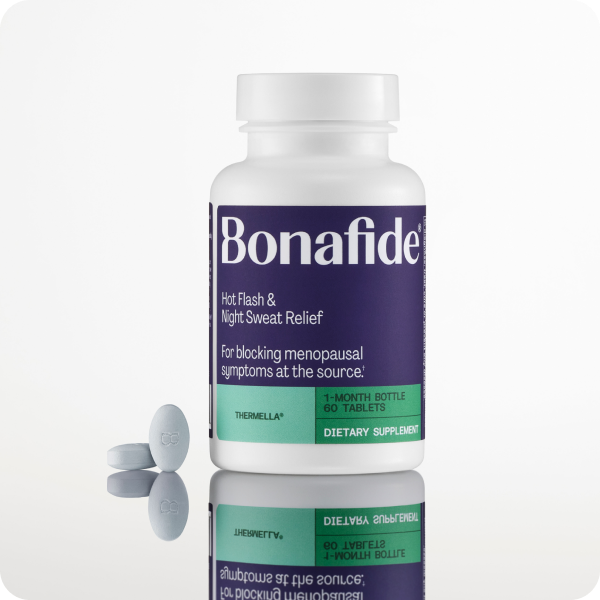
If night sweats are keeping you awake, you could consider looking into a few dietary supplements that have been shown to address your specific symptoms and make it easier to sleep.11 For example, ingredients like curcumin, spirulina, and decaffeinated green tea extract found in Bonafide’s Thermella®, are hormone free and clinically tested to provide relief from hot flashes and night sweats at the source.* Additionally, you can and should always seek out the support of your healthcare provider if you’re experiencing disruptive symptoms. In addition to over the counter options, prescription symptom management options, like hormone replacement therapy or other hormone-free alternatives are available.
Cognitive Behavioral Therapy
If you suffer from chronic sleeplessness, cognitive behavioral therapy for insomnia (CBT-I) may significantly reduce the severity of your symptoms and improve sleep quality. 12 It’s another low-risk, drug-free way to support your body in receiving the critical sleep it needs.
Rest Isn’t Optional
It’s impossible to overstate the importance of rest in menopause. It’s not just about feeling less tired, good sleep health during menopause can help to support your mental, cardiovascular, and physical health now and into the future.
We all have a bad night’s sleep now and then, but women in perimenopause and menopause need to be proactive about addressing consistently poor sleep and not allowing it to become a chronic issue.
Consider starting out with establishing better sleep habits and then consider other interventions, such as supplements or behavior therapy. And, of course, it’s always a good idea to discuss changes in your sleep and potential remedies with your healthcare provider, as they know your medical history best.
Resources
- https://pubmed.ncbi.nlm.nih.gov/39145901/
- https://www.hopkinsmedicine.org/health/wellness-and-prevention/how-does-menopause-affect-my-sleep
- https://pubmed.ncbi.nlm.nih.gov/40941437/
- https://pubmed.ncbi.nlm.nih.gov/38888619/
- https://www.hopkinsmedicine.org/health/wellness-and-prevention/how-does-menopause-affect-my-sleep
- https://www.heart.org/en/news/2023/12/04/sleep-problems-linked-to-heart-health-risks-during-and-after-menopause
- https://www.ncoa.org/article/menopause-and-sleep-what-every-woman-should-know/
- https://www.ncoa.org/article/menopause-and-sleep-what-every-woman-should-know/
- https://www.ncoa.org/article/menopause-and-sleep-what-every-woman-should-know/
- https://www.ncoa.org/article/menopause-and-sleep-what-every-woman-should-know/
- https://www.ncoa.org/article/menopause-and-sleep-what-every-woman-should-know/
- https://jamanetwork.com/journals/jamainternalmedicine/article-abstract/2839294